
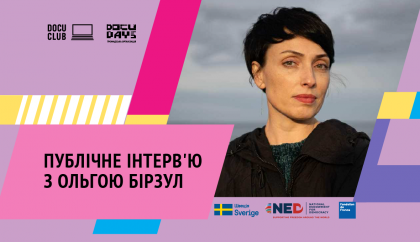
In the beginning of December, the DOCU/CLUB Network organized a public interview with Olga Birzul – film curator, culture manager, and the author of “Your Book Is About Cinema.” The event attracted a broad audience of educators of various levels, school psychologists, youth workers, as well as representatives of the civic sector and film club moderators.
The topic of the conversation – “What documentary films can do for teenagers” – is highly relevant, since the educators and specialists working with schoolchildren are actively looking for the tools that would help better understand teenagers and build a trusting dialogue with them.
Olga Birzul emphasized the unique ability of documentaries to simultaneously educate, prompt an emotional response, and encourage reflection in viewers. Unlike fiction films, documentary stories give teenagers an opportunity to see real life situations and recognize themselves or their friends in the films’ protagonists.
Olga indicated that documentary films become a crucial tool in the process of becoming an adult: through the stories of real people, teenagers learn to realize the consequences of their choices, see various models of behaviour, identify their own emotions, and find out what is acceptable and what is inappropriate to them. Watching and discussing documentary films allows them to gain experience of “safely living through” situations they may encounter in life.
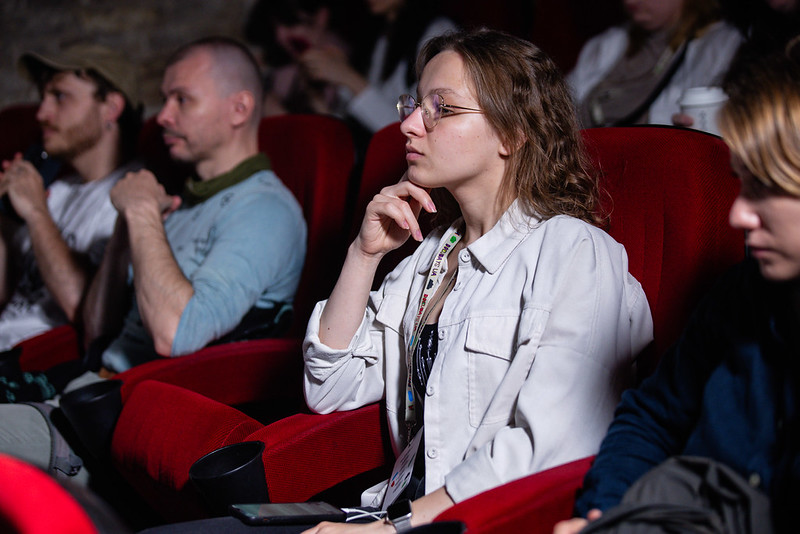
Photo from the archive of the NGO Docudays
Just as important is the fact that documentary films provide educators, psychologists, parents, and youth workers with an ethical way to influence the formation of values in adolescents. Instead of moralizations or prescriptive advice, adults and the youths can analyze the protagonists’ behaviour and discuss freedom, responsibility, respect of human dignity, equality, and empathy together. This format of joint reflection prevents the adults from imposing ready-made answers on teenagers, offering them to draw their own independent conclusions.
Olga underscored the vital importance of such conversations in today’s Ukraine. Ukrainian adolescents are growing up in difficult circumstances of war, informational tension, and social instability; they urgently need means of understanding themselves and the world. Documentary films help develop critical thinking, resilience, empathy, and ability to make ethical choices – all of these skills are crucial in forming a conscious and responsible generation.
Using the example of the film My Happy Complicated Family by Tessa Louise Pope, which the participants watched before the discussion, Olga gave some advice on how to openly discuss complicated family relationships and other themes that require emotional openness with teenagers.
For adolescents, documentary films may become “trainers” for empathy. “Teenagers watch documentaries differently than adults do. They want to feel they are not one of their kind. If the child sees a relatable experience on the screen, this can turn into the first step towards a conversation he or she wanted to have for a long time now,” says Olga Birzul.
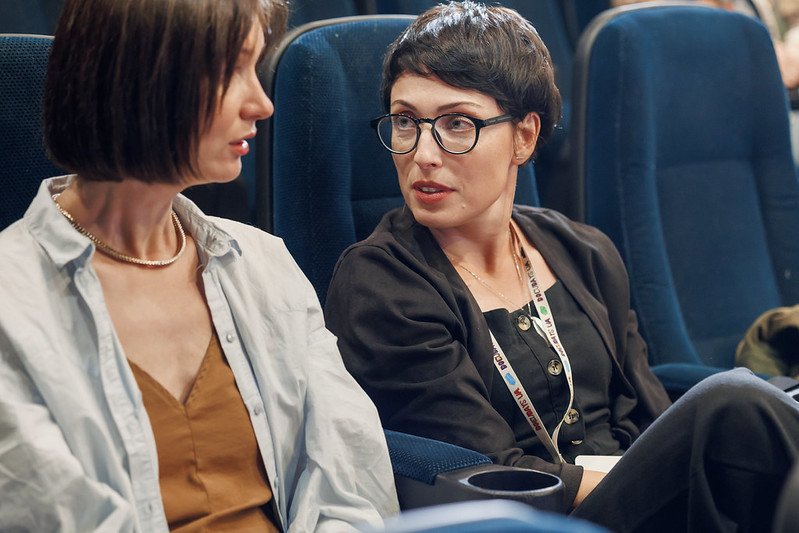
Photo from the archive of the NGO Docudays
The interview also addressed the themes of working with adolescents’ emotions during film screenings, creating a safe space for conversations, and moderating discussions in a way that provides teenagers with tools for self-expression rather than leads to conflicts. Olga Birzul emphasized that documentaries from the DOCU/CLUB Network collection can become an integral part of everyday work with youths, engaging them into discussions, working with the issues of self-identity, family relations, respect for personal boundaries, and safety. She offered advice on selecting films that are appropriate for specific age groups, working with sensitive issues, and responding to adolescents’ complex emotions. Indeed, a properly moderated post-screening discussion can reduce anxiety, help teenagers understand themselves, and teach them to respect the experiences of others.
Olga Babcuk, moderator of the interview and communications manager of the DOCU/CLUB Network, emphasized the potential of such conversations: “Documentary films can serve not only as a bridge between a teenager and an adult, but also as an effective shared tool for professionals who often work with adolescents on their own: school staff, psychologists, youth workers, representatives of civic initiatives, etc. It is crucial for us that different specialists see this tool functioning across various settings, such as educational establishments, youth centers, or NGOs, and incorporate this tool into their own work.”
After the interview, the participants noted it was their first time viewing documentary films as an educational and psychological practice capable of transforming adolescents’ behavioral models, helping them prevent conflicts, and fostering their critical thinking. Concluding the discussion, Olga Birzul summarized: “Adolescents want to be heard. Documentaries are one way of taking the first step toward them, inviting them to join the dialogue, and giving them an opportunity to speak. Often, a documentary film becomes the very reason why teenagers start talking about what hurts them. Adults who are not afraid of taking that first step can meaningfully support adolescents on their way towards adulthood.”
The development of the DOCU/CLUB Network is funded by the Embassy of Sweden in Ukraine, the National Endowment for Democracy (NED), and Fondation de France.
The opinions, conclusions or recommendations are those of the authors and compilers of this publication and do not necessarily reflect the views of the governments or charitable organizations of these countries. The authors and compilers are solely responsible for the content of this publication.