
The full-scale war changed the soundscapes of our cities: we have all become familiar with air-raid sirens, muffled explosions in the distance, and the constant, unsettling background noise of news reports.
Reprinted from "Gal-Info" agency for information and analytics.
There is, however, one more sound that adults often fail to hear, overwhelmed: the quiet storm hidden within our children. They are not always able to put it into words: “I’m scared” or “I cannot deal with the stress anymore.” Instead, children become withdrawn, display unusual aggression, or suddenly change their behavior.
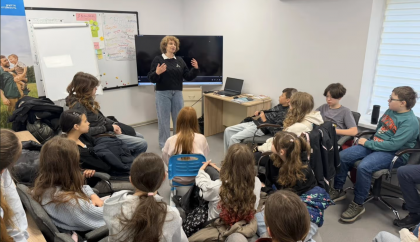
Psychologists and educators are now broadly witnessing these warning signs that indicate threats to mental and psychological health. Thus, the question is: How to organize a system of assistance and support for children in these challenging times? Khrystyna Hataliak, moderator of the Docudays UA media literacy film club, psychologist, and social manager of the Center for Resilience, decided to accept this challenge with the advocacy project “Supporting children’s mental health in wartime.” She combined psychological techniques with documentary films from the DOCU/CLUB Network’s collection, creating a program that has become a tool for psychological support for children, parents, and educators in Lviv.
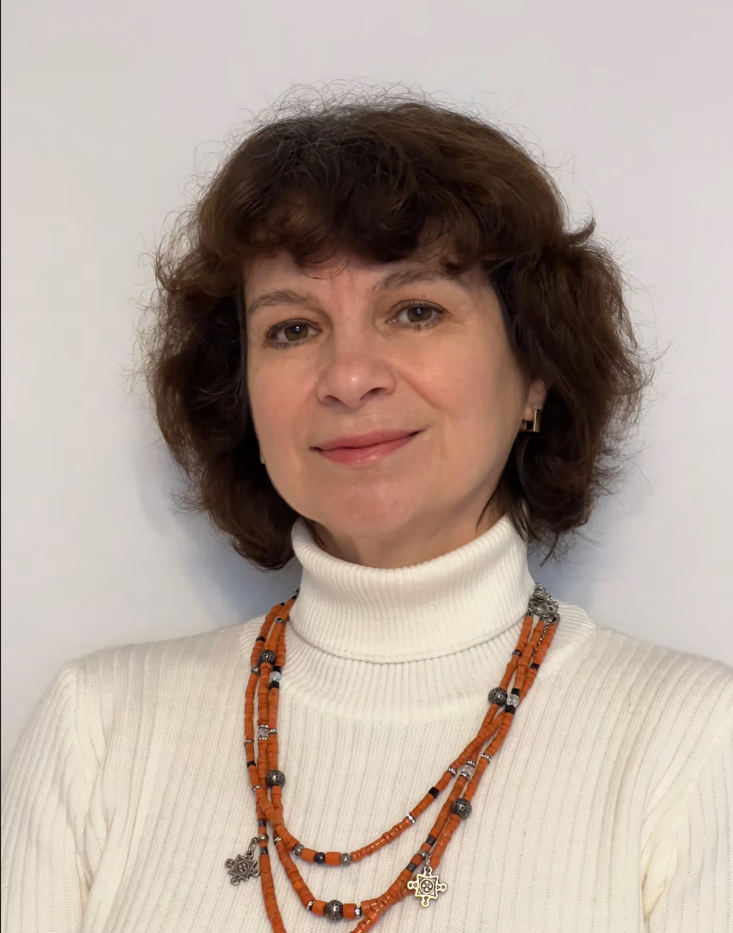
Photo from Khrystyna Hataliak’s archive
Day by day, Khrystyna Hataliak works with children and adults at the Center for Resilience, which is why the idea of the advocacy project was inspired by her immediate practice. Together with colleagues, Khrystyna has been visiting schools and talking with schoolchildren, parents, and teachers. What they saw was deeply concerning: people are critically lacking basic self-help skills under conditions of chronic stress during wartime.
“I was really surprised, because mental health information is widely available nowadays. Many communal enterprises are already working with mental health support at general practitioners’ or Centers for Resilience. However, many people still consider this information a revelation. They don't even have the most basic skills for controlling their breathing and body, which can help in a stressful situation,” Khrystyna explains.
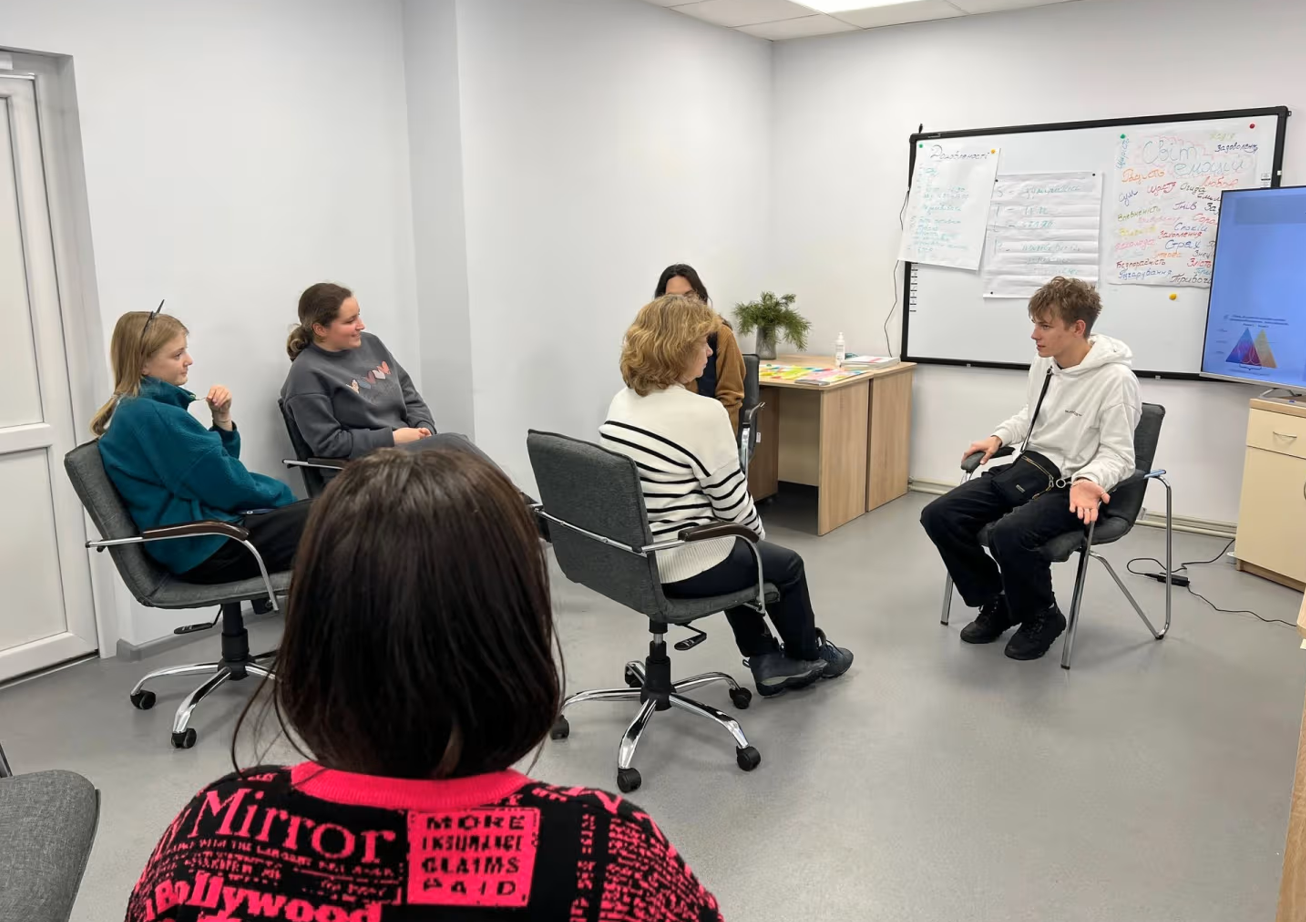
Photo from the archive of Khrystyna Hataliak
Apparently, due to a lack of information, adults often fail to understand natural psychological processes. For example, the classic developmental crises of adolescence, exacerbated by the chronic stress of war, leave parents at a loss. For many of them, it came as a real revelation that certain behavioral outbursts in children are not signs of bad attitude or tantrums, but normal reactions to abnormal circumstances, caused in part by hormonal imbalances.
“Teachers are facing an equally significant challenge,” the psychologist emphasizes. “Homeroom teachers ended up on the front lines of protecting children’s emotional well-being: they must not only teach their subject but also calm the class during air raids or help students overcome apathy while balancing their own burnout. Educators were overwhelmed and in desperate need of a fresh portion of information, presented not in ‘dry’ academic terms, but as simply and applicably as possible.”
The Docudays UA documentary film club, moderated by Khrystyna Hataliak, played a key role in developing the mental health support program. Documentary films from the DOCU/CLUB Network’s collection proved to be the ideal bridge between complex psychological theory and people’s lived experiences. Screenings of films about parent-child and student-teacher relationships, followed by discussions, created a safe space where every participant could relax and start talking about their own sore subjects.
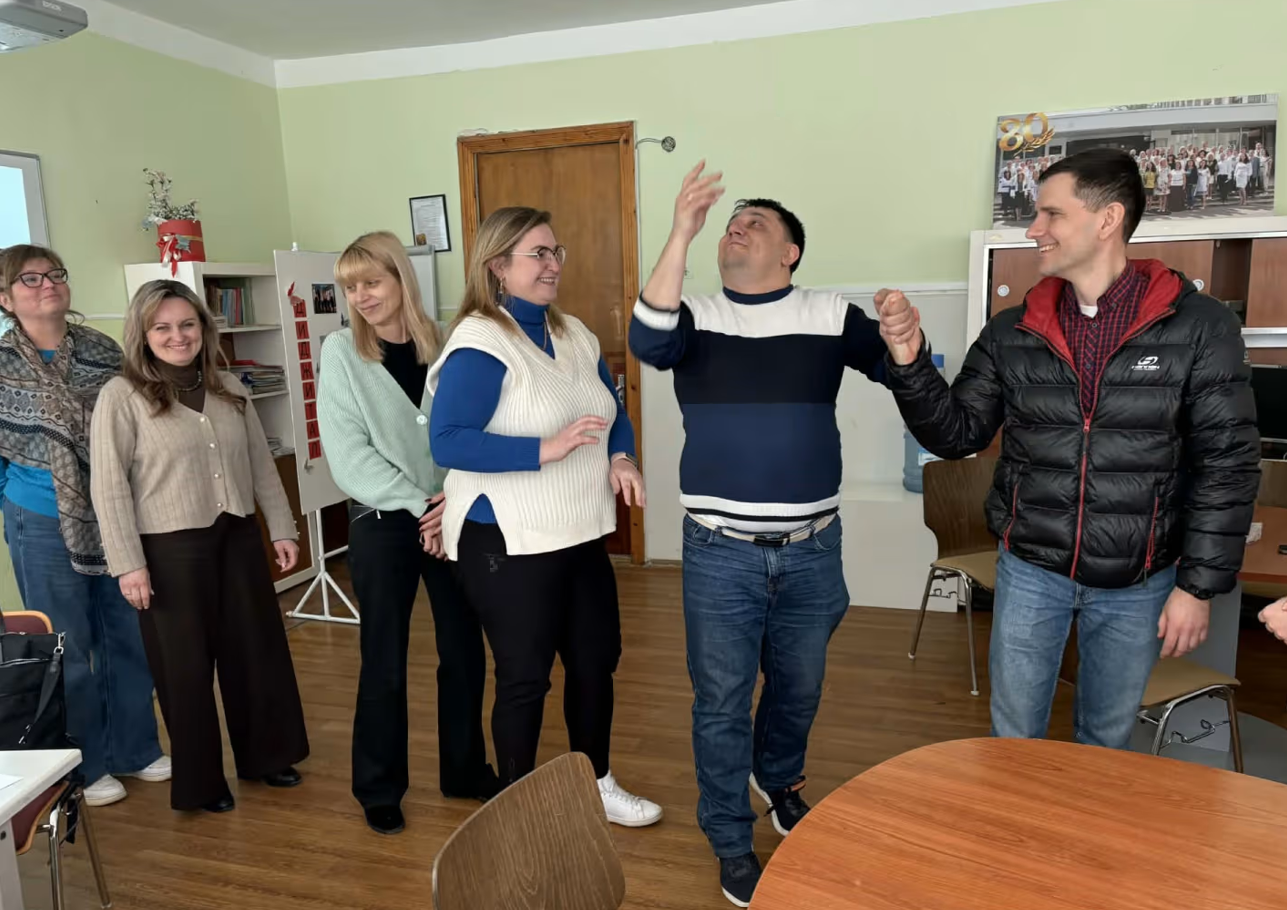
Photo from the archive of Khrystyna Hataliak
As part of the advocacy project, the team led by Khrystyna Hataliak has organized a unique training program for homeroom teachers. Instead of theoretical lectures or intense instructions at the Department for Education, teachers were offered an innovative format. The training took place near their educational establishments, in small, comfortable groups, which allowed for open communication of equals.
The educators appreciated this approach. The project manager admits that, even though the information might not have been entirely new for the participants, the project helped highlight the most important things: what exactly to look for in a child’s behavior, how to recognize psychological trauma early on, and what simple exercises (such as physical activities or breathing techniques) can help a child feel safe again at the lesson.
Photo from the archive of Khrystyna Hataliak
“Schools have psychologists, and it’s their job to monitor students’ mental health, help in difficult situations, and resolve conflicts. But there’s only one school psychologist for every thousand students. How can they possibly fulfill this task? It’s unrealistic. This is why we decided to focus specifically on training homeroom teachers: they see their students every day, can assess changes in their behavior in a timely manner, and provide prompt assistance. In addition, they are in contact with parents almost every day. All of this helps make supporting children’s mental health a systematic effort,” emphasizes Khrystyna Hataliak.
The pilot project involved homeroom teachers from six schools in Lviv. Based on its results, the Lviv Center for Teacher Development decided to include in this program homeroom teachers from schools all over the city. This initiative is strategically important for the entire city community; after all, schools are microcosms of society. If a teacher knows how to maintain their own emotional stability and help a child cope with stress, this sense of well-being extends to families. Timely psychological support during childhood helps prevent the onset of severe depression, anxiety disorders, and social maladjustment among youths in the future.
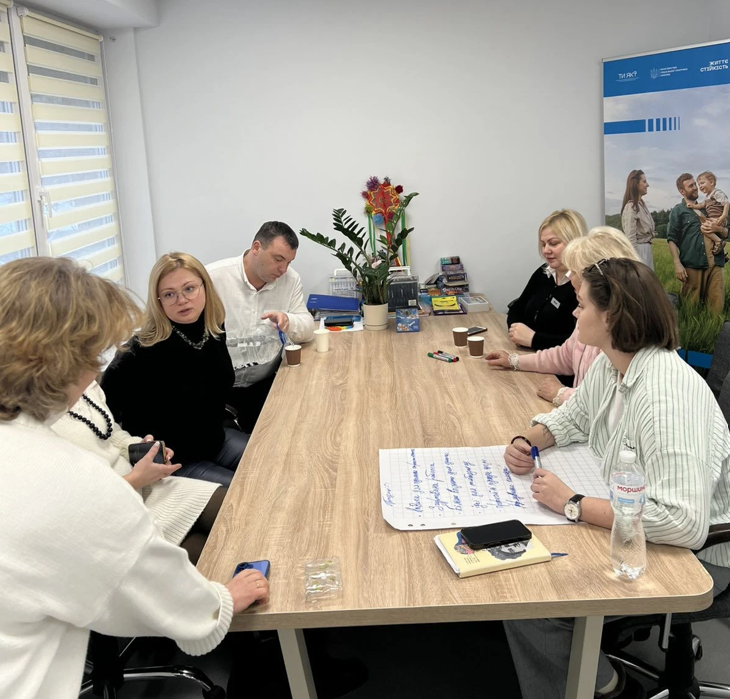
Photo from the archive of Khrystyna Hataliak
Given the critical importance of this issue, Khrystyna Hatalyak’s team does not intend to stop. The successful launch of the program in the first six schools has laid a solid foundation for its further expansion. The organizers aim to ensure that the informational materials and approaches to psychoeducation (psychological education — ed.) developed by them become an integral part of teacher training and professional development throughout the entire community.
The results of the project will be expanded via a network of mental health ambassadors among the teachers, who will then share practical skills with their colleagues from other educational establishments in the city. Moreover, the program developed by Lviv specialists is a ready-to-use guide for other regions of Ukraine where communities are seeking flexible and effective tools to protect children’s psychological and emotional well-being.
The project “Supporting children’s mental health in wartime,” developed by experts in Lviv, demonstrates that it is possible to help children and adults cope with an emotional storm even without huge budgets. Sometimes all it takes is to get together, watch a documentary, and start a conversation — on equal terms, without judgment, and with respect for others’ pain.
The project is implemented with the support of the DOCU/CLUB Network, funded by the Embassy of Sweden in Ukraine, Fondation de France, and the German Marshall Fund of the United States of America.
The opinions, conclusions, or recommendations are those of the authors and compilers of this publication and do not necessarily reflect the views of the governments or charitable organizations of these countries. The authors and compilers are solely responsible for the content of this publication.